GYIÖT (Federation of Children’s and Youth Municipal Councils) is one of Hungary’s oldest national-level youth organizations. At the heart of our activities is the development of youth work, alongside the promotion of its social and policy recognition and the enhancement of its visibility. To achieve this, we regularly provide networking and professional development opportunities, develop professional-methodological resources, and participate in youth-focused urban and regional development processes. Through our research and communication activities, we contribute to evidence-based decision-making and the overall visibility of the sector. We carry out our work within an extensive national and international network.
Our target audience includes all stakeholders in the youth field: youth workers and volunteers, local municipalities responsible for youth affairs, as well as the leaders and active members of youth communities. Furthermore, we maintain close professional ties with representatives from related sectors, such as education, culture, as well as the social and civil sectors.
Our mission is to develop the professionalization of youth work while fostering active citizenship and social dialogue. Rooted in the values of human dignity, equality, and human rights, we view youth work as a value-driven practice that empowers young people in their transition toward becoming active and responsible adults.
At GYIÖT, we believe that the development of youth work requires continuous, collective effort, therefore we provide comprehensive support to the youth professional sector in Hungary. Since 2022, we have been an accredited organisation of the Erasmus+ program, which enables us to strengthen our professional fields through learning mobility programmes and the exchange of good practices.
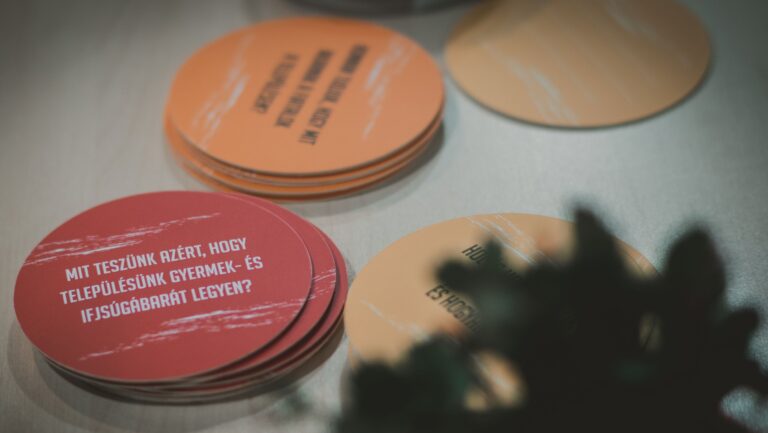
We focus on defining the foundations of quality youth work and the professionalisation of the sector on a national level. We provide methodological resources and training opportunities, as well as organize professional dialogues and workshops to ensure that stakeholders can perform their work with up-to-date knowledge and a stable professional background. As a founding member of the Alliance of Youth Workers Associations (AYWA), we also work towards the European recognition of youth work.

We continuously map the actors of youth work in Hungary, both through research and by direct participation in ongoing youth processes.
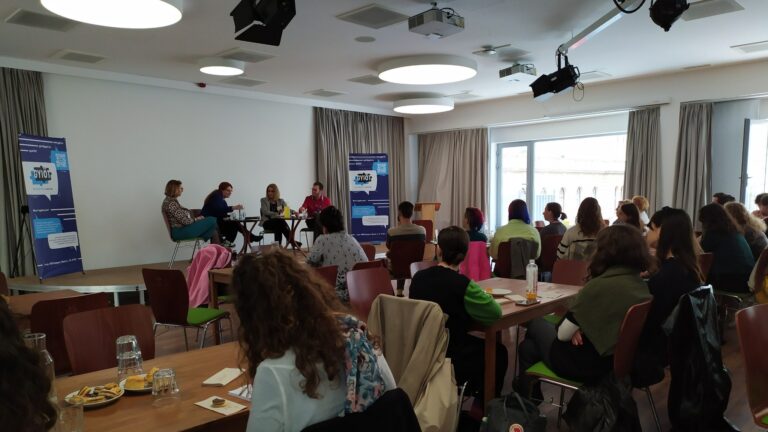
We consider it crucial for the voice of the youth sector to reach a wider audience. We create platforms for exchange and provide space for knowledge-sharing among professionals. Furthermore, we advocate for the significance and interests of the profession to be widely recognized at both social and decision-making levels.
Our goal in preparing the Code of Ethics is to establish clear professional standards and core values for the youth work sector in Hungary. Rather than a top-down regulation, this document is being co-created based on the real-world needs and experiences of practitioners. It serves as a professional compass for the daily implementation of quality youth work.
How is it being developed?
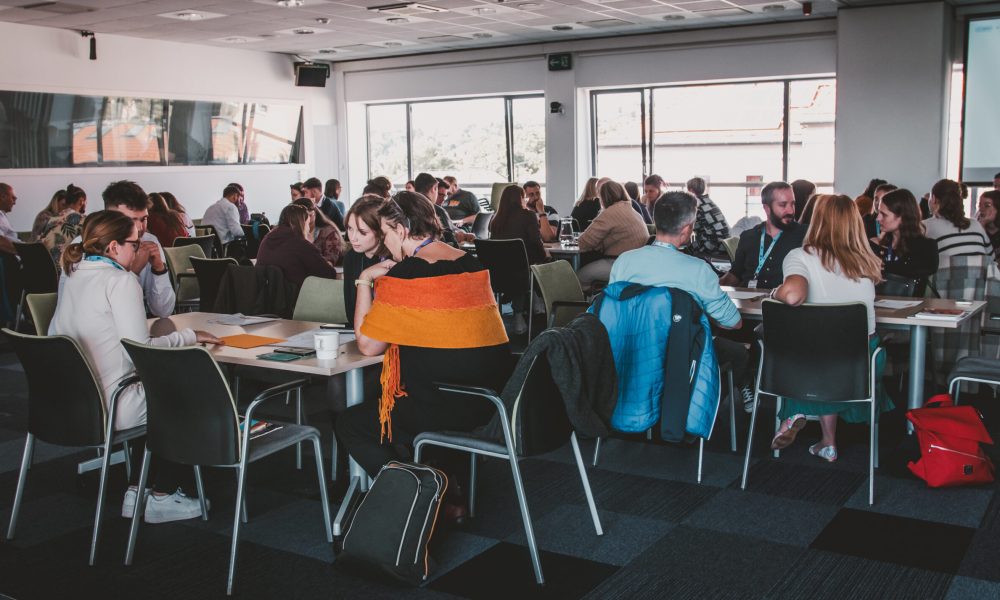
We believe in bottom-up, participatory processes. The foundations of the Code of Ethics were laid through a collaborative thinking process involving NGOs and experts from across the country. A major milestone was the 2025 National Youth Work Conference co-organised by the European Youth Centre Budapest and GYIÖT, where practitioners collectively analyzed complex professional dilemmas to add their thoughts and professional experiences to the text.
Current Status
We are currently in the drafting phase, incorporating the diverse perspectives gathered during our workshops. To ensure the document is truly representative of the Hungarian youth work community, we have also launched a wide-scale professional consultation. This allows every stakeholder to review and refine the draft before the final version is created.
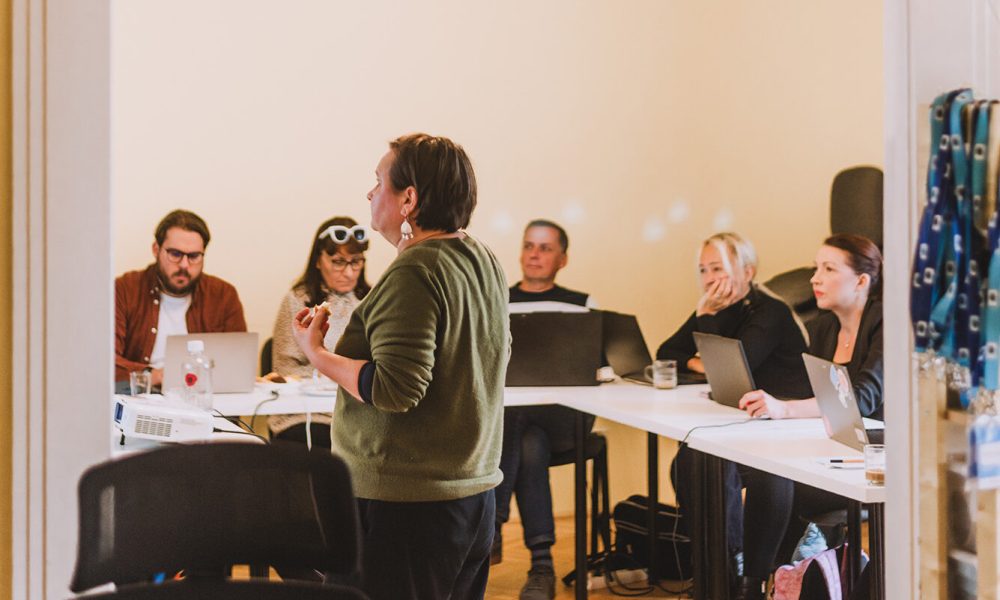
The Peace4Europe project explores how the principles of peace education can be effectively integrated into non-formal learning processes. Our mission is to empower youth workers to recognize their pivotal role in fostering peace and to provide them with practical tools to transmit these values to young people.
Our Journey
In Autumn 2024, we organised a collaborative workshop, bringing together youth work professionals to map out best practices and identify current challenges in peace education related activities on a national level. Building on these first-hand experiences, we have integrated these lived experiences into developing a methodological toolkit alongside the partners. This educational resource is designed to provide practical support for practitioners, helping them seamlessly incorporate peace education into their daily professional routines.
The Partnership
This initiative is a strategic partnership co-funded by the Erasmus+ Programme of the European Union. Our consortium brings together leading expertise from across Europe:
Leading Peace Education Organisation (Finland)
XAMK – Juvenia – Youth Research and Development Centre (Finland)
BEST Institut (Austria)
NGO MONDO (Estonia)
ENK – Estonian Association of Youth Workers (Estonia)
GYIÖT – Federation of Children’s and Youth Municipal Councils (Hungary)
Learning Resources
As part of our international collaboration, an extensive online training module on peace education is already available HERE.
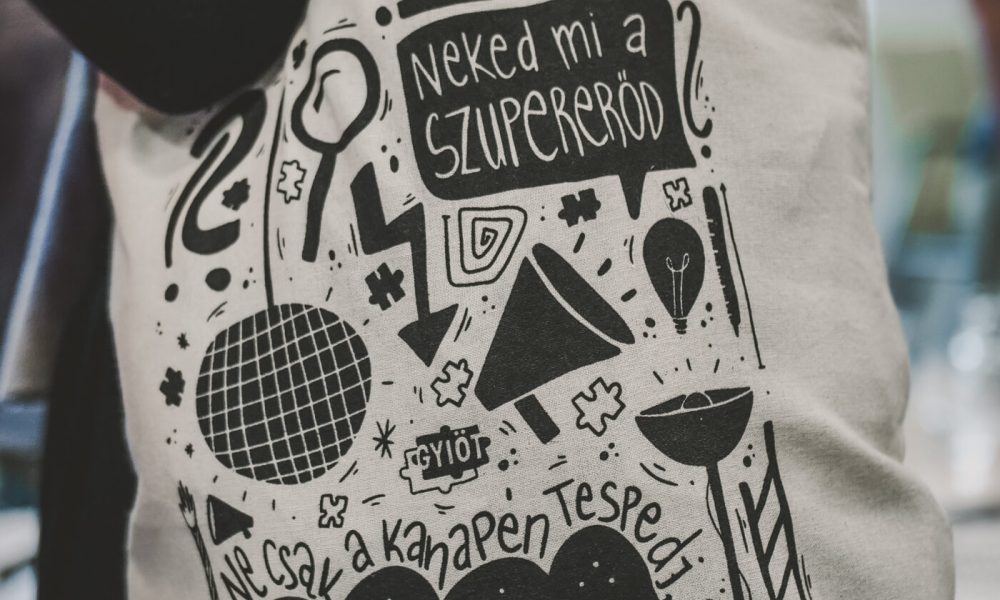
The ParticipaTEEN CERV project addresses the challenge of making youth participation in municipality level public affairs and decision-making sustainable and systemic. In collaboration with the Municipality of Újbuda (Budapest, District XI) and international partners, including the City of Timișoara, we are developing a methodological framework designed to provide the 14-18 age group with a meaningful voice and a real impact on the life of their municipalities and districts.
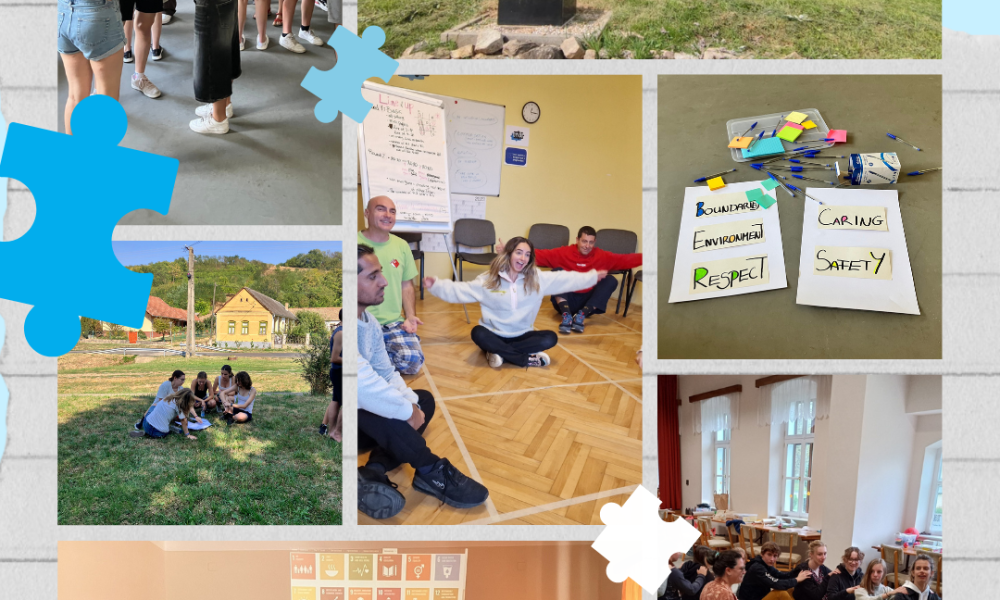
At GYIÖT, we believe that the development of youth work is a process of conscious building. A major milestone in this vision is that, since 2022, we have been an Erasmus+ Accredited Organization in the field of youth.
What does this mean in practice?
Erasmus accreditation is a quality label certifying that our organization has a solid, long-term strategic plan and a deep commitment to youth development in Hungary. This status allows us to access stable funding until 2027, which we invest specifically into professionalizing the sector and strengthening youth participation.
Strategic Goals for Sector Development
Following our strategic roadmap until 2027, we implement the following activities:
We prioritize local participation projects to ensure young people’s voices are heard at every level of decision-making.
We create platforms where youth, practitioners, and decision-makers can meet, learn, and exchange best practices.
Every two years, we organize our flagship professional conference “Helyben hogyan?” (How to do it locally?) Conference”, providing a vital space for networking and sector-wide collaboration.
We contribute to the sector’s body of knowledge through evidence-based research and analysis.
Through learning mobilities and international exchanges, we integrate European standards and practices into the Hungarian youth work context.